Single-Room Ventilation & dMVHR with Remote Monitoring – Sussex Coastal Guide
Compact Room-by-Room Ventilation with Off-Site Monitoring for Sussex Coastal Properties
The Problem: Stale Air, Damp and Coastal Humidity
Not every property needs a whole-house ventilation overhaul. Many homes and businesses across Brighton, Hove, Shoreham-by-Sea, Worthing, Portslade, Lancing, and Southwick have a single problem room—a stuffy loft bedroom, a bathroom plagued by condensation, a home office that feels clammy, or a treatment room needing fresh, filtered air.
UK government guidance makes clear that damp and mould are serious health risks and should be tackled at the cause, not just cleaned off. Preventing recurrence means fixing moisture and ventilation, then keeping conditions stable.
Along the Sussex coast, sea air keeps relative humidity elevated for much of the year. Rooms feel clammy and reach dew point on cold surfaces sooner—even at moderate temperatures. Victorian terraces, 1930s semis, basement studios, and loft conversions are particularly vulnerable, with mixed airtightness, intermittent extract fans, and thermal bridges creating perfect conditions for persistent humidity spikes.
What “Small Units” Actually Mean
When we talk about single-room ventilation, we mean compact, through-wall systems that solve moisture and air quality problems without requiring extensive ductwork or a whole-house installation.
dMEV (Decentralised Mechanical Extract Ventilation)
Low-energy, continuous extract fans for wet rooms—bathrooms, en-suites, and utilities. These run 24/7 at very low power, with humidity or CO₂-responsive boost modes. They meet Building Regulations Part F requirements for continuous extract ventilation.
dMVHR (Decentralised Mechanical Ventilation with Heat Recovery)
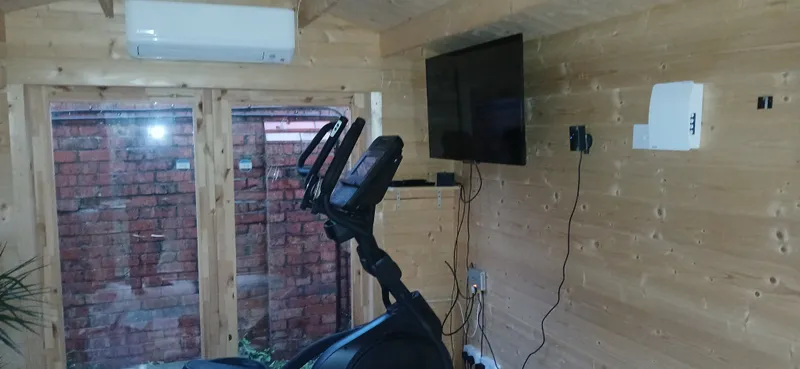
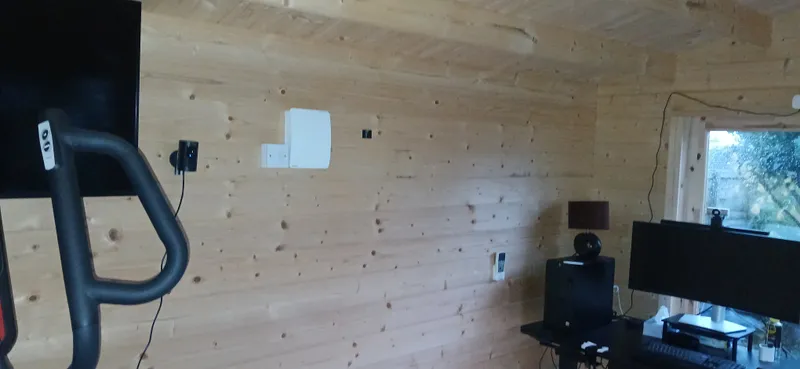
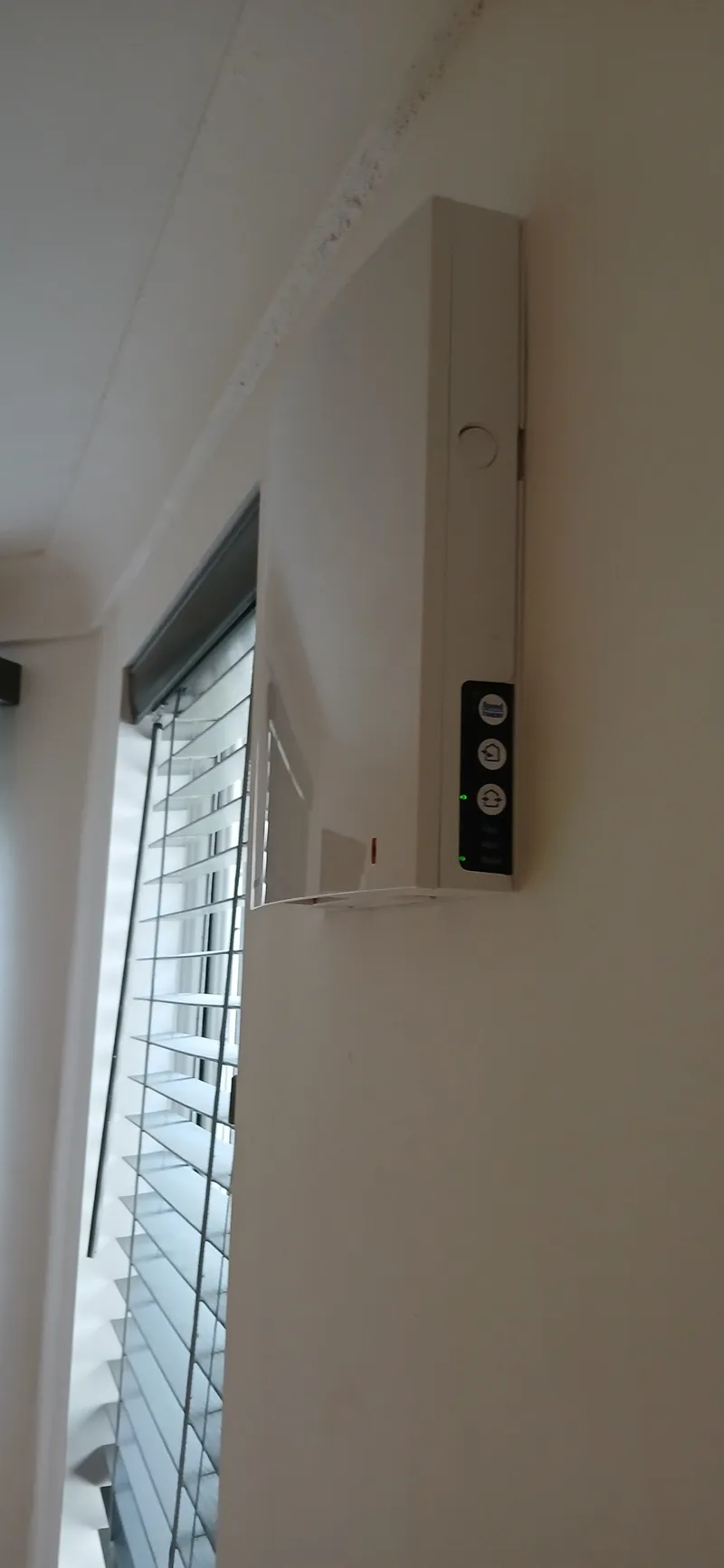
Balanced supply and extract for a single room, with a small heat exchanger that recovers warmth from outgoing air while bringing in filtered fresh air. This is a compact version of the whole-house heat recovery systems we install. Ideal for bedrooms, studies, treatment rooms, and garden offices where comfort and indoor air quality matter.
Smart Sensors and Remote Monitoring
Modern units support Wi-Fi modules and cloud apps, allowing you to view live humidity and CO₂ levels, adjust speeds and schedules, receive alerts if humidity stays high, and track filter life—all from your phone. This is invaluable for landlords, holiday-let owners, and anyone managing multiple properties.
Why Coastal Sussex Properties Need Special Attention
The Sussex coast presents unique challenges that standard ventilation approaches often fail to address:
Elevated Humidity Year-Round
Marine air carries higher absolute humidity than inland areas. Even when temperatures are moderate, moisture loads remain elevated—so condensation, musty smells, and black spotting on grout and paint appear faster than you might expect.
Salt Air and Corrosion
Salt-laden coastal air is corrosive to standard HVAC components. We specify units with anti-corrosion finishes and marine-grade external grilles to ensure longevity in Brighton seafront properties, Shoreham harbour-side homes, and exposed Worthing locations.
Mixed Property Types
From Victorian terraces in Hove to 1930s semis in Lancing, modern flats in Portslade to period cottages in Southwick—each property type presents different challenges. Single-room solutions can be tailored precisely to each situation without over-engineering the entire building.
Building Regulations: What’s Actually Required
Approved Document F (2021) sets minimum ventilation performance for dwellings. Key requirements include:
- Continuous extract in wet rooms: Kitchen 13 l/s, Bathroom 8 l/s, WC 6 l/s
- Whole-dwelling background rate: Starting at 19 l/s for 1-bed homes, increasing per bedroom
- Terminal positioning: Height and location rules for effective extract
The regulations favour steady background ventilation over intermittent “boost only” operation—exactly what modern dMEV and dMVHR units deliver. When selected, sited, and commissioned properly, these systems meet the regulatory intent while solving real-world comfort problems.
Recommended Single-Room Units
Based on our experience across Sussex coastal properties, we specify units from manufacturers with proven reliability and appropriate features for the local environment:
Vent-Axia
Through-the-wall dMVHR range for single rooms, backed by the same engineering pedigree as their established Sentinel Kinetic whole-house systems. Strong UK support network and readily available spares make them a reliable choice for Sussex installations.
Blauberg VENTO Expert Series
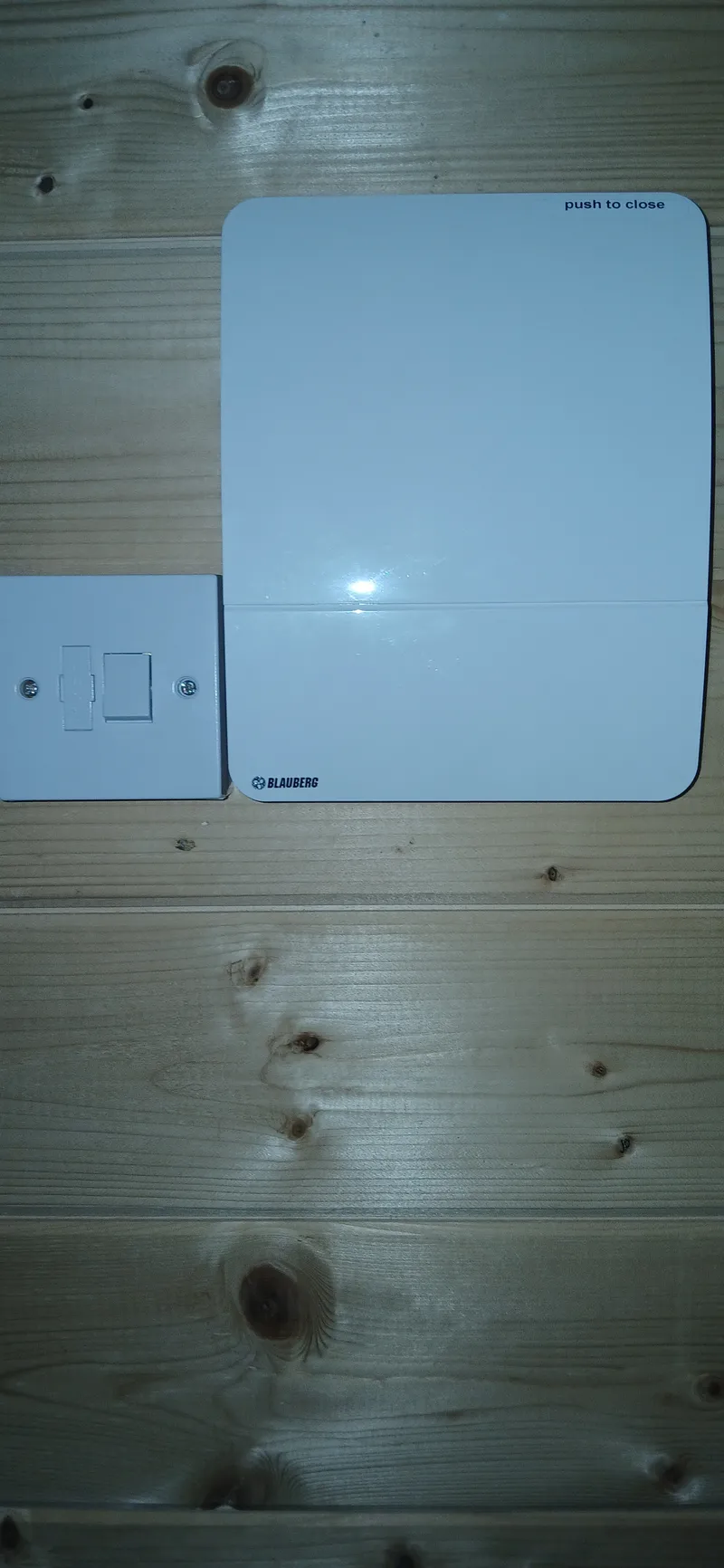
Decentralised dMVHR with built-in Wi-Fi and app control. The reversible fan core provides heat recovery, while the quiet casing suits bedrooms and treatment rooms where remote monitoring is essential.
EnviroVent HeatSava
Compact through-wall unit delivering up to 75% heat recovery at very low trickle wattage. Humidity-responsive options make it well-suited to coastal bathrooms and bedrooms.
Xpelair XHR150 Range
Single-room heat recovery with SELV options for bathroom installations. Effective for damp and condensation remediation with straightforward core-drilled installation.
Inventer iV14 Family
High heat-recovery efficiencies (87–88% on selected models) with strong acoustic performance and discreet externals. Particularly good for bedrooms and conservation-minded installations where appearance matters.
Off-Site Monitoring: Why Landlords and Holiday-Let Owners Love It
Remote monitoring transforms how you manage property ventilation:
Real-Time Visibility
View live humidity, CO₂, and fan status from your phone. Know immediately if a room is developing problems rather than discovering mould months later.
Proactive Alerts
Receive notifications if humidity exceeds 65% for extended periods, if CO₂ levels indicate poor ventilation, or if filter replacement is due. Address issues before they become tenant complaints or damage.
Evidence and Compliance
Logged data proves the ventilation system is operational and maintaining appropriate conditions. Invaluable for demonstrating due diligence to tenants, letting agents, or during disputes.
Multi-Property Management
Manage ventilation across your entire portfolio from a single dashboard. Identify problem properties, compare performance, and schedule maintenance efficiently.
Sussex Installation Scenarios
Brighton Loft Bedroom
The problem: South-facing roof, low eaves, minimal cross-ventilation. Stuffy and clammy at night, especially in summer.
The solution: dMVHR with summer bypass. Set CO₂ target around 1000 ppm with humidity alerts via the app.
The outcome: Fresher sleep without heat loss in winter. Remote monitoring confirms conditions throughout the year.
Hove Basement Studio
The problem: Musty odour after rain, persistent dampness, limited natural ventilation.
The solution: dMVHR on quiet trickle with humidity-led boost. Marine-grade external grille. RH alert if conditions exceed 65% for more than 2 hours.
The outcome: Odour eliminated, stable humidity, improved living conditions documented via app data.
Worthing Family Bathroom
The problem: Daily condensation on mirrors and windows, black spotting appearing on grout despite regular cleaning.
The solution: dMEV continuous low speed with humidity boost. Quieter night profile to avoid disturbance.
The outcome: Mirrors clear faster, condensation eliminated, mould growth prevented at source.
Shoreham Treatment Room
The problem: Clinic requires quiet, fresh, odour-free environment during appointments. Previous ventilation too noisy.
The solution: dMVHR with acoustic lining. VOC-triggered short boosts after cleaning products used.
The outcome: Calm, quiet background with fresh filtered air. Logged IAQ data available for compliance documentation.
Lancing Holiday Let Bedroom
The problem: Irregular occupancy means windows left closed for weeks. Humidity spikes between guests cause musty smells and potential mould.
The solution: dMVHR with remote monitoring. Owner receives alerts if humidity rises between bookings.
The outcome: Fresh rooms for every guest arrival. Early warning of any developing issues. Evidence of proper property management.
Coastal Design Details That Prevent Callbacks
Filtration and Salt Air
Coastal air contains salt and fine particulates that clog filters faster and can damage fan motors over time. We specify units with easily serviceable filters and set maintenance schedules appropriate for seafront exposure—typically quarterly checks rather than the standard 6-monthly intervals.
External Grilles and Fixings
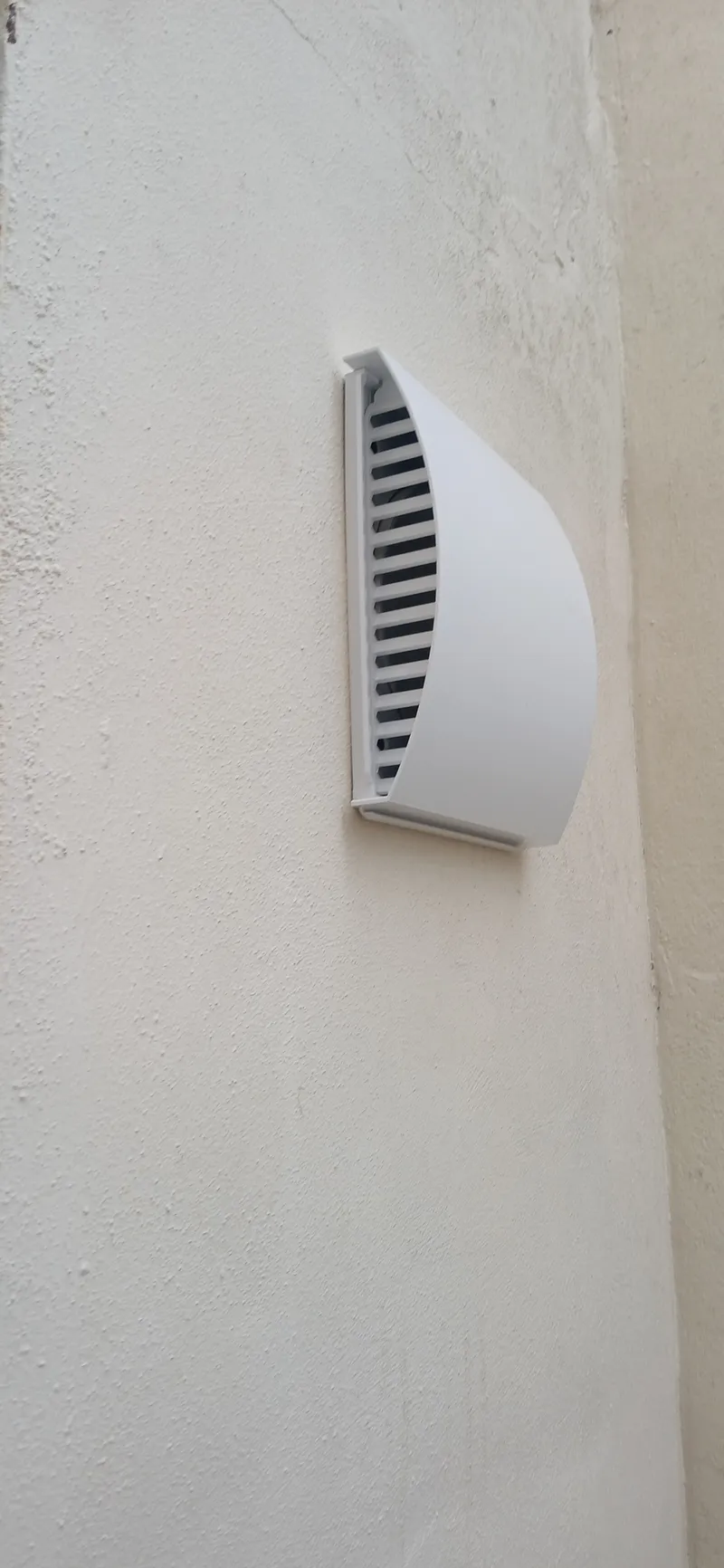
Marine-resistant finishes and proper weathering details prevent premature corrosion. We detail wall sleeves with correct falls to prevent wind-driven rain ingress, and select grilles that withstand the Sussex coastal environment.
Noise and Placement
For bedrooms and treatment rooms, we specify low-sone modes and position grilles to avoid prevailing wind directions where possible. This ensures whisper-quiet operation even in exposed locations.
Listed Buildings and Conservation Areas
Many Sussex coastal properties fall within conservation areas or are listed buildings. We work with conservation teams to position external grilles discreetly, colour-match to existing finishes, and ensure any necessary consents are obtained before work begins.
Maintenance and Running Costs
We offer maintenance packages for all ventilation systems to keep them running efficiently.
Filter Care
Check quarterly for coastal properties, replace every 6–12 months depending on exposure and runtime. App-based filter tracking makes scheduling straightforward.
Annual Service
Clean heat-exchanger cores and seals per manufacturer guidance. Inspect external grilles for salt buildup and weathering integrity.
Energy Consumption
Designed for continuous low-watt operation—often similar to or less than a low-energy light bulb on trickle mode. dMVHR recovers heat, reducing the energy penalty of bringing fresh air into your home during cooler months.
Data Review
Use monitoring data to spot patterns—morning humidity spikes, elevated CO₂ overnight, or changes following occupancy patterns. Fine-tune boost thresholds and schedules based on real performance rather than guesswork.
Frequently Asked Questions About Single-Room Ventilation
Will a single-room unit actually prevent mould?
It tackles the root causes—persistent moisture and stale air—exactly what health guidance identifies as the key drivers of mould growth. Combined with source control (fixing leaks, managing drying habits) and basic maintenance, single-room ventilation breaks the cycle that leads to mould in most problem rooms.
Do these units meet Building Regulations?
When selected, sized, and commissioned correctly, dMEV and dMVHR systems help meet Approved Document F requirements for continuous extract and background ventilation. We design installations to the current regulations and can provide documentation for building control where required.
Are they quiet enough for bedrooms?
Yes. Modern units run very quietly on trickle mode—well below typical bedroom background noise levels. We set boost logic to avoid sleep-time spikes and specify acoustic options where additional sound reduction is needed.
What about salty sea air?
We specify corrosion-resistant components and marine-grade external grilles as standard for coastal Sussex installations. Filter and service intervals are adjusted for higher particulate loads near the seafront.
Can I monitor my tenants’ or holiday-let rooms remotely?
Yes. Where units support Wi-Fi connectivity, we enable off-site monitoring and alerts for humidity, CO₂, and runtime. This helps landlords prove diligence and prevent issues between tenancies or guest bookings.
Do I need planning permission or Listed Building Consent?
External penetrations in listed buildings typically require Listed Building Consent. Properties in conservation areas may also need approval for visible external changes. We coordinate with local authority conservation teams and can advise on consent requirements during the survey stage.
How much does single-room ventilation cost?
Typical installations range from £800–£1,500 depending on unit specification, access requirements, and whether monitoring features are included. Contact us for a detailed quote based on your specific room and requirements.
Project Gallery
The Smart Fix for Problem Rooms
Small, single-room ventilation units—done properly—stop the cycle of condensation, odours, and mould complaints. With remote monitoring, you get proof, prevention, and peace of mind. For Sussex coastal properties where humidity works quietly against comfort year-round, targeted room-by-room solutions often outperform oversized whole-house approaches.
Whether you’re a homeowner with a stuffy loft bedroom, a landlord managing holiday lets, or a clinic owner needing documented air quality, single-room dMVHR and dMEV systems deliver measurable results with minimal disruption.
Planning a Single-Room Ventilation Upgrade?
We design and install discreet dMVHR and dMEV systems with remote monitoring across Brighton, Hove, Shoreham-by-Sea, Worthing, Portslade, Lancing, and Southwick.
Get in touch to discuss your room, usage, and coastal exposure. We specialise in delivering quiet, efficient ventilation that protects both your property and your well-being.